Useful God (用神) in BaZi: Find Your Favourable Elements and Colours
A useful god is the element a BaZi chart needs most, chosen by rule from the balance of the Day Master and the season. Four classical methods find it: support and restrain (扶抑), climate adjustment (調候), bridging element (通關) and illness and remedy (病藥). Once it is known, it turns into practical choices such as colours, directions and room use.
How is the useful god chosen?
After the Four Pillars are cast and the Day Master's strength is assessed, classical BaZi asks the most practical question in the system: which element does this chart need? The usual English, "useful god", is a little grand. "Operative element" is closer to the sense. Colours, directions, timing and even room choices in home feng shui flow from it.
The classical toolkit has four techniques, and the engine cites which one it used:
- Support and restrain is the workhorse. A weak Day Master is supported by the element that generates it (resource, 印, the resource) and the element that matches it (peers, 比劫, peers). A strong one is drained or disciplined by output (食傷), wealth (財) or authority (官殺).
- Climate adjustment looks at the season. A chart born in deep winter may need fire regardless of strength, and a blazing summer chart may need water. Season can override arithmetic when the imbalance is extreme.
- Bridging element applies when two camps of elements deadlock. The element that mediates between them unlocks the chart.
- Illness and medicine applies when one element dominates and distorts the chart. The element that checks it is the cure.
These are written rules, and two practitioners applying them honestly reach the same answer. That is why a deterministic engine can compute the useful god and name the technique behind it. The strength framework underneath is how strong each element is in the birth month (旺相休囚死) together with whether the Day Master has roots in the branches (通根).
Key facts
- The useful god is found by 4 techniques: support and restrain, climate adjustment, bridging element and illness and remedy.
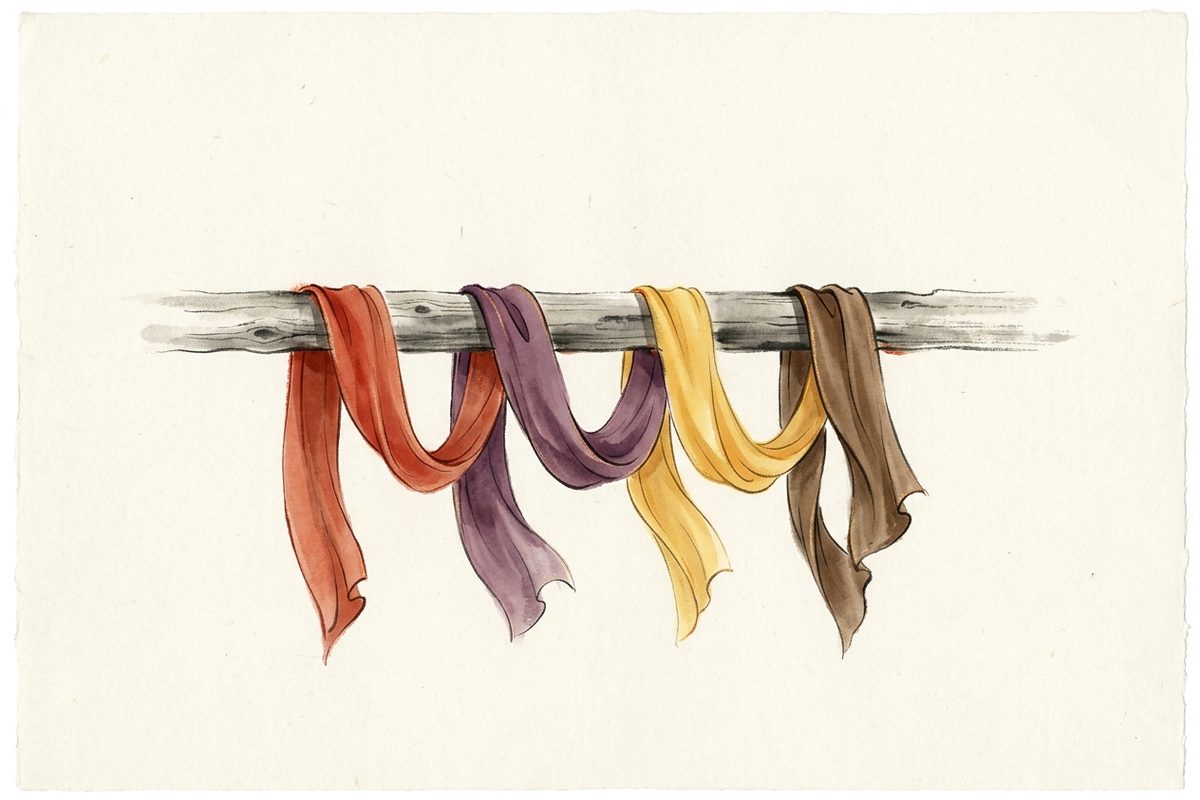
- The five elements each have 2 colour families in the engine: wood green (綠) teal (青), fire red (紅) purple (紫), earth yellow (黃) brown (棕), metal white (白) , water black (黑) blue (藍).
- In the engine's naming score, a name character that matches the useful god earns 1.0, a favourable (喜) element 0.7, a neutral one 0.3 and a unfavourable (忌) element 0.0.
- The sample chart 戊辰 (Earth Dragon) 乙卯 (Wood Rabbit) 己巳 (Earth Snake) 戊辰 has a weak Day Master 己 (score -0.97), and its useful god are fire and earth.
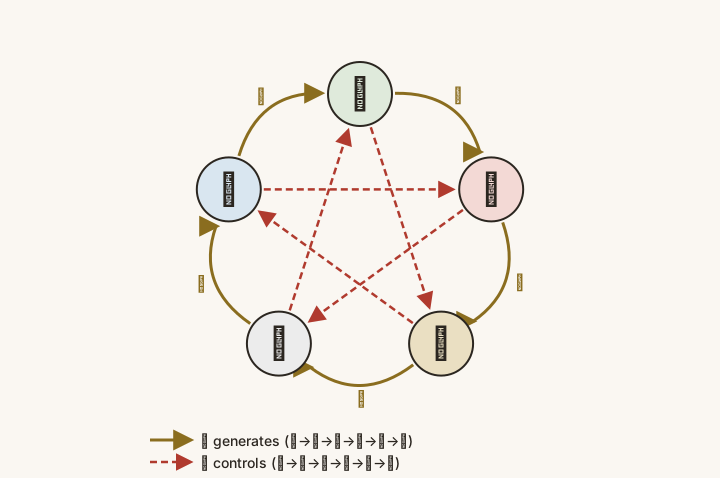
- The five-element cycles are fixed: wood feeds fire, fire feeds earth, earth feeds metal, metal feeds water, and water feeds wood.
- The 三命通會 (Ming-era BaZi classic) is the classical source for the support and restrain reasoning the engine cites.
See these rules applied to your own chart: free BaZi reading →
What does a worked example look like?
Take the fictional 王大明, a man born on 1988-03-15 at 09:30 Singapore clock time. True solar time for Singapore (UTC+8, longitude 103.8517°E, equation of time -9.4 minutes) is 08:16, so the hour pillar is counted in the 辰 (Dragon, Earth) block. The pillars are 戊辰, 乙卯, 己巳, 戊辰, and the Day Master is 己, yin Earth.
Strength. The month branch is 卯 (Rabbit, Wood), wood, which restrains earth, so the Day Master is in the dead (死) phase. Support totals 6.33 against a drain of 3.67, and the roots (rooting) are 辰, 巳 (Snake, Fire) and 辰. The net score is -0.97: weak Day Master (身弱), weak.
Technique. Technique 1 of 4, support-and-restrain method (扶抑法), applies directly. A weak Day Master favours the resource element (resource, Fire) and the peer element (peers, Earth). Technique 2 of 4, climate-adjustment method (調候法), is also cited in the result. The useful god come out as Fire and Earth. The unfavourable elements are Wood, Water and .
Colours. The favourable families are red and purple for fire, and yellow and brown for earth.
| Element | Role for 王大明 | Colour families |
|---|---|---|
| Fire (火) | favourable (resource) | Red purple |
| Earth (土) | favourable (peers) | Yellow brown |
| Wood (木) | unfavourable | Green teal |
| Water (水) | unfavourable | Black blue |
| unfavourable | White |
The roles are reproduced from the engine, so a different chart gives a different table. A strong Day Master is drained or disciplined instead of supported, so the favourable elements for such a chart come from a different group.
Which colours should I actually use?
Your favourable elements' colours are worth favouring where you spend sustained time: wardrobe staples, bedding, a study corner, a phone case you see two hundred times a day. Your unfavourable elements' colours are not poison; they are simply not doing you any favours in bulk. The classical advice is dosage, not prohibition. An unfavourable colour as an accent is background noise; as the whole bedroom wall it is a standing weight.
In a Singapore or Malaysian home, three practical limits apply.
- Rented and HDB walls. A rented unit often cannot be repainted. Move the personal palette to what you can change: bedsheets, curtains, a rug, a lampshade and desk accessories.
- Large surfaces versus small ones. Paint a feature wall or a cabinet front in a favourable colour before changing a whole room, and keep unfavourable colours to accents.
- Room context. In home feng shui, a room's flying-star overlay can outrank the personal palette on walls and large surfaces, with the personal colours moving to textiles. Rules interact, and a good reading shows the precedence.
The same element logic reaches the bed direction guide, which uses your kua rather than your useful god for direction, and the flying stars guide, which adds the annual overlay.
See these rules applied to your own chart: free BaZi reading →
Why do people get the useful god wrong?
- Guessing from the Day Master alone. A water Day Master does not automatically "need" water. A strong 壬 (yang Water) usually needs the opposite, because strength decides the direction of the remedy.
- Treating the zodiac animal as the answer. The year branch is one-eighth of the chart.
- Using the wrong hour. The hour pillar comes from true solar time. In 王大明's case the clock reads 09:30 but the sun reads 08:16, which changes the hour from 巳 to 辰 and therefore the roots and the strength score.
- Using the wrong year for early February births. The year pillar changes at Start of Spring (立春), which is 2027-02-04 in 2027, and not at Chinese New Year.
- Pre-1982 births. Singapore ran on UTC+7:30 before 1982-01-01 and UTC+8 after; Peninsular Malaysia is UTC+8 from 1982-01-01. The conversion must be applied before any pillar is cast.
Where else does the useful god show up?
The same labels carry across the site. In the baby name builder, each character in a name is scored against the useful god using the weights above (method note), and the useful god is the largest single part of the score. See How Chinese baby names are scored for that.
FAQ
What is a useful god in BaZi?
A useful god is the element a BaZi chart needs most, chosen by rule from the balance of the Day Master and the season. Four classical methods find it: support and restrain, climate adjustment, bridging element and illness and remedy. It then turns into colours, directions and room use.
How do I find my lucky colours from BaZi?
Each element has colour families in the engine: wood green teal, fire red purple, earth yellow brown, metal white and water black blue. Once your favourable elements are known, favour their colours where you spend sustained time, such as bedding or a study corner.
Can I use favourable colours in a rented flat or HDB flat in Singapore or Malaysia?
Yes. A rented unit often cannot be repainted. Move your palette to what you can change, such as bedsheets, curtains, a rug or desk accessories. Try a feature wall or cabinet front before a whole room.
Do I have to avoid my unfavourable colours completely?
No. Unfavourable colours are not poison, and the classical advice is dosage, not prohibition. An unfavourable colour as an accent is background noise. As the whole bedroom wall it is a standing weight.
Why do people get their useful god wrong?
Common mistakes include guessing from the Day Master alone, treating the zodiac animal as the answer and using the wrong hour. Others include using the wrong year for early February births and ignoring the pre-1982 Singapore clock.
Sources and method
- Choosing the useful god: support and restrain, climate adjustment, bridging element and illness and remedy (the four useful-god methods, 用神四法), cited by number in the engine's result.
- Weak or strong Day Master: the seasonal strength and rooting framework, scored numerically (method note).
- The support and restrain reasoning (weak Day Master favours resource and peers): 三命通會, in its discussion of useful god and support and restrain.
- Hour pillar conversion: the 子平 (classical BaZi school) true-solar-time convention, with the UTC+7:30 and UTC+8 offsets applied first (method note).
- Colour families: the engine's table of two colour words per element (method note), not a classical list.
Compute your own favourable elements, with the technique cited, in the free reading at /start. To see the colours in a room plan, use the home tool at /fengshui.
Every line of a bazifor.me reading cites the classical rule that produced it. Deterministic engine, no account needed, workspace stays private.
Get your free reading →